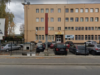

Brașov is moving forward with plans to uncover part of the buried Timiș stream and convert Enupărului Street into a shaded green corridor, connecting homes, schools, and shops. The project is a winner of the Sustainable Cities Mobility Challenge, supported by Climate KIC and sponsored by FedEx, and will receive up to €90,000 in funding to help the city create a blue-green corridor.
Brașov, along with Viseu Dão Lafões (Portugal), The Hague (The Netherlands), and Üsküdar – Istanbul (Turkey), were selected from 146 municipalities across 30 countries for their potential for replication and to deliver both climate and social benefits. When completed, the projects will serve as role models for how small-scale interventions can lead to large-scale improvements in the way people move around and engage in their local environments.
“Over the past three years, the Challenge has empowered thirteen cities across Europe to devise innovative solutions to their mobility challenges,” says Wouter Roels, Regional President of FedEx Europe. “Initiatives ranging from reimagining street parking in The Hague to enhanced school safety zones in Istanbul exemplify how this year’s winning cities are advancing climate solutions and working towards our shared goal of building a more sustainable future.”
The two rivers that cross Brașov are mostly hidden under concrete slabs. Reclaiming the public space along the Timiș is a top priority for a city aiming for climate neutrality by 2035. Therefore, the city has identified segments along the 12-kilometre stretch where quick interventions with immediate impact are possible. This includes the revitalisation of a neglected street by uncovering part of the buried Timiș and transforming it into a blue-green corridor. This participatory pilot will repurpose Enupărului Street as a shaded walking and cycling route that connects homes, schools, and shops. Using nature-based solutions, green infrastructure, and community events, the project aims to create a cooler, more attractive and inclusive urban space while laying the foundation for a full-scale green corridor along the river.
George Scripcaru, Mayor of Brașov: “The revitalization of the Timiș blue-green corridor on Enupărului Street is a first step in a broader effort to reconnect neighborhoods with nature, create community spaces, and expand investments in clean transport and pedestrian infrastructure. This initiative reflects our ambition to become a climate-neutral and truly green city — not just through the nature that surrounds us, but through a community-centered approach to urban transformation.”
Cities’ demand for support soars
Since the launch of the Challenge in 2022, the number of project submissions has doubled year-over-year. This third edition saw a record number of high-quality submissions, spanning major themes such as:
· Safe school zones and traffic-calming interventions
· Mobility hubs and last-mile logistics
· Parklets and pocket parks replacing car infrastructure
· Bike-sharing, pedestrianisation, and greenway enhancements
· Community-led mobility behaviour change programmes
Notably, a large number of proposals focused on school streets, particularly from Turkey and the UK. While many Serbian cities focused on park and green space regeneration, cycling was a popular theme amongst the proposals from Spanish cities.
“What we’re seeing is a groundswell of ambition from cities across Europe — matched by the courage and commitment of mayors, city officers and local communities willing to drive systemic change,” said Kirsten Dunlop, CEO of Climate KIC. “These projects prove that when local leadership is engaged and citizens are empowered, we can reshape the places we live to be more just and climate-resilient than ever before.”
About the programme
The Sustainable Cities Mobility Challenge is part of Climate KIC’s broader mission to catalyse systems innovation in cities. Delivered with support from FedEx, the programme provides financial backing, technical assistance, and a platform for cities to share insights, tools, and results. In total, 13 cities from seven countries have been supported with over 1 million (USD) in funding.
To learn more, visit the programme website.